Prices, Promotions, styles, and availability may vary. Our local stores do not honor online pricing. Prices and availability of products and services are subject to change without notice. Errors will be corrected where discovered, and Lowe's reserves the right to revoke any stated offer and to correct any errors, inaccuracies or omissions including after an order has been submitted.
DIY Projects & Ideas
Ideas & Inspiration
For those who love to decorate for holidays, Halloween is by far the most fun season to tackle. We’ll show you what kinds of decorations are trending this fall, so you can plan a festive display that’s sure to spook both you and your guests.

Buying Guides
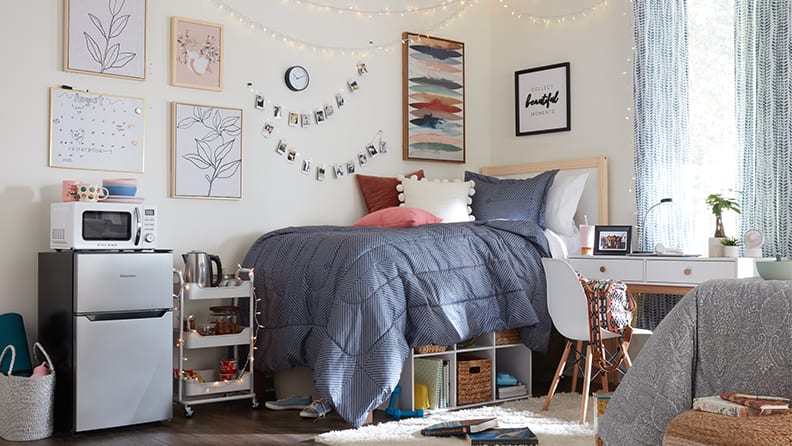
Deck out your college dorm with the supplies you need to start the semester off right. Equal parts useful and playful, we’ve got upgrades to your standard-issue décor. Here’s everything you need to outfit your home away from home in style.
How-Tos
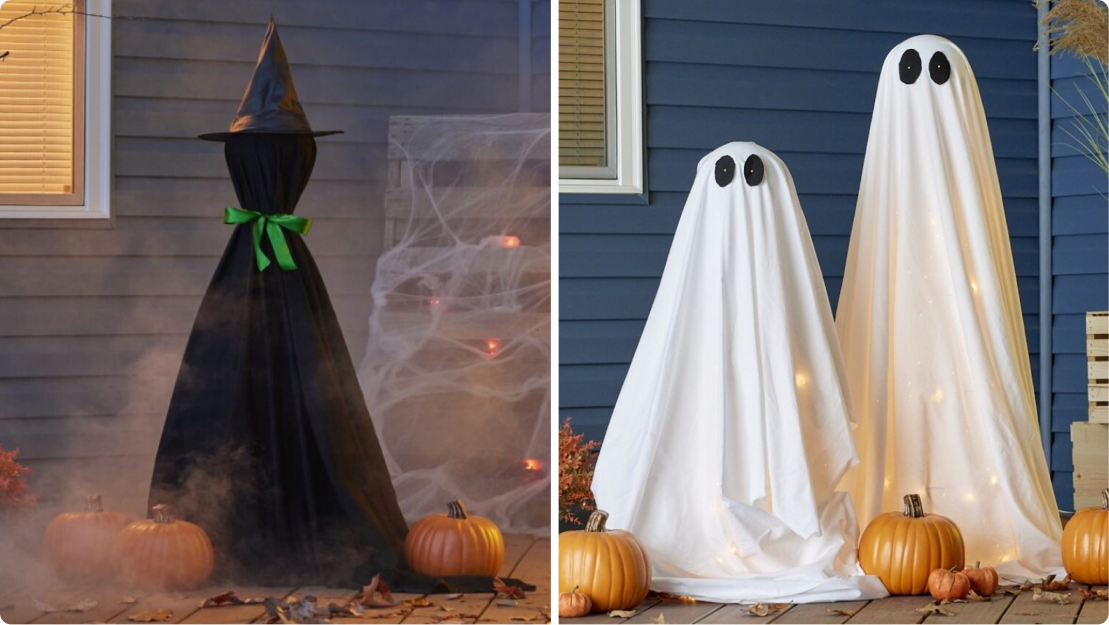
Learn to build your own spooky ghost out of chicken wire. It'll look great in your front yard this Halloween. We'll show you how to make it in eight simple steps.

Ideas & Inspiration
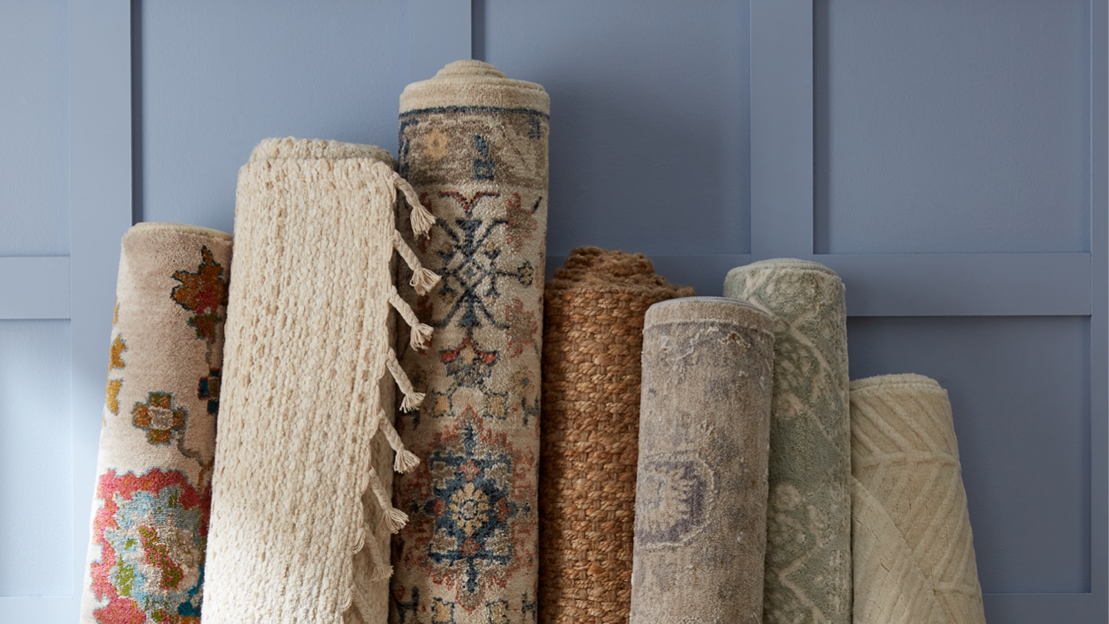
It's no wonder sage green is everywhere right now. The soft muted shade of green is calming and tranquil. It's quickly becoming a timeless classic that blends with almost any palette. From stylish accents to paint, let's explore six ways to add this nature-inspired hue to your living spaces.

Buying Guides
A leaf blower makes yard cleanup quick and simple. Whether you want a powerful gas leaf blower for large jobs, a lightweight corded blower for small jobs or the best cordless blower for low-maintenance power, we’ll help you find the right model to keep your yard looking its best.

Browse our resources for DIY projects that you can complete. Get inspiration and ideas for home projects to build, remodel or decorate.


Calculators
Take the guesswork out of your DIY projects by using our calculators to estimate how much material you need to complete the job.


Top Articles
Explore some of the latest features from our projects and ideas library.




How-Tos
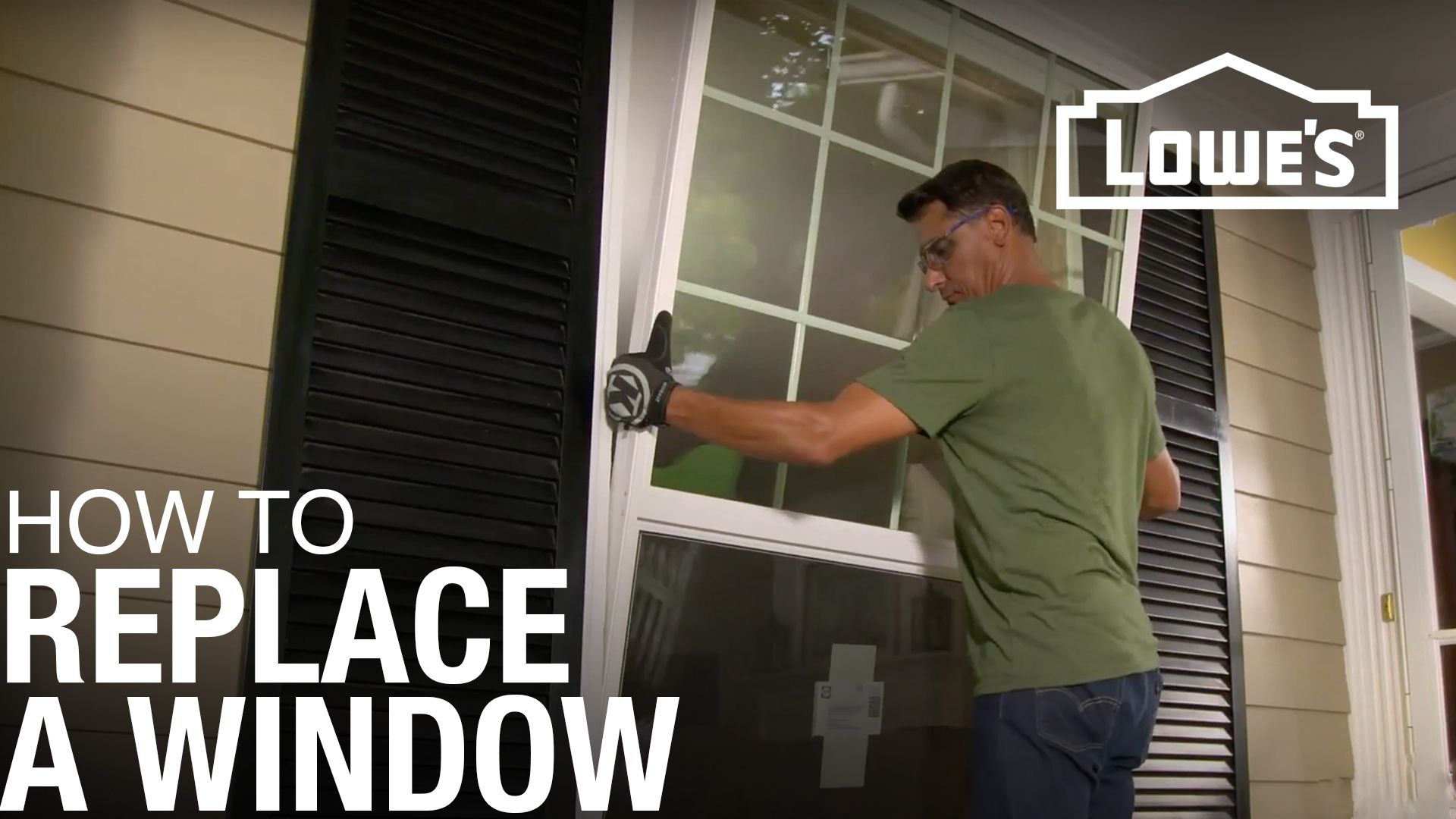
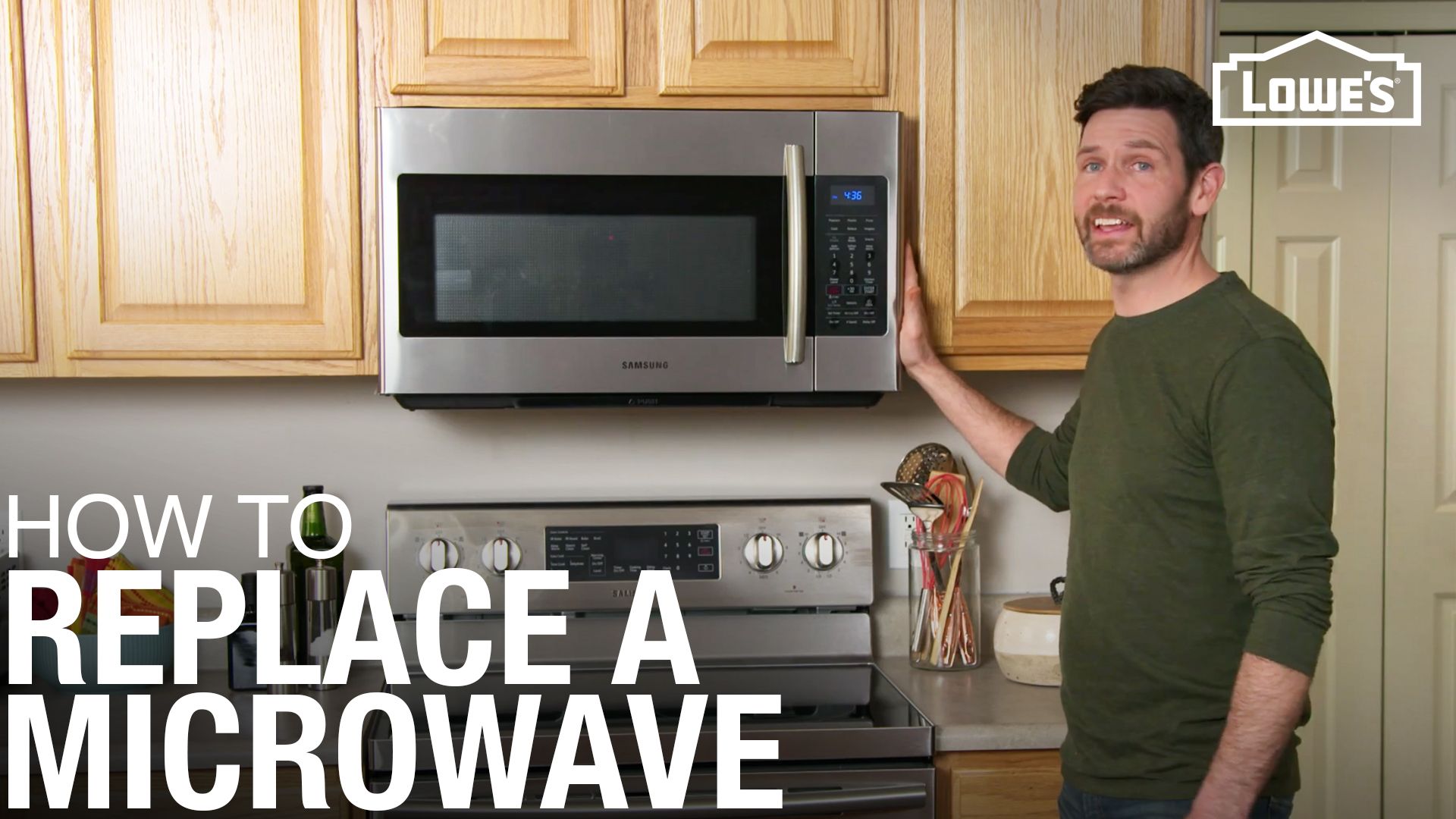
Get step-by-step instructions for DIY projects around your home.



Buying Guides
Explore some of the latest buying guides from our projects and ideas library.




Trends & Inspiration
From interior paint to outdoor lighting, find creative home improvement project ideas and interior design tips to make the most of your living spaces.




Get Inspired With DIY Projects and Buying Guides for Every Area of Your Home
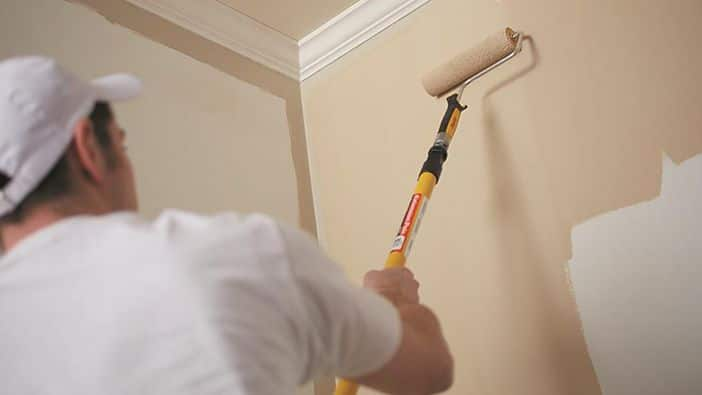
Whether you’re looking for kitchen design how-tos or landscape ideas, you can trust Lowe’s to provide the necessary materials and inspiration. From outdoor projects, like gutter cleaning and laying pavers, to interior jobs, like remodeling a bathroom or freshening up the living room with bold painting ideas, you’ll find everything you need to get started on Lowes.com.
Kitchen and Bathroom Renovation Planning
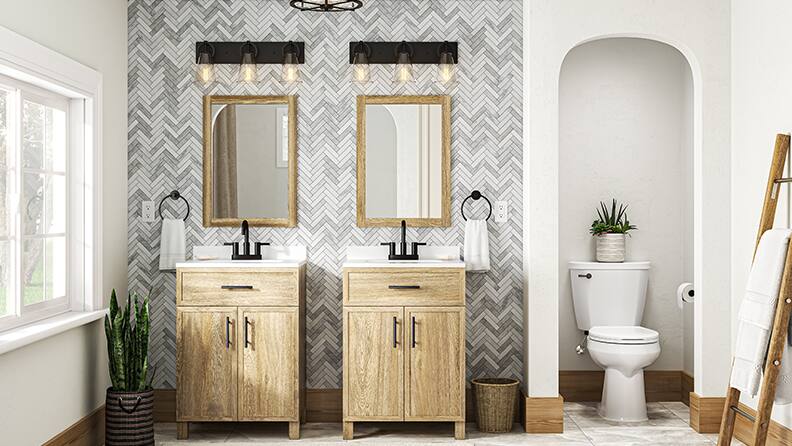
Overhauling a kitchen is a big task. Before you start ripping out cabinetry, refinishing hardwood floors and picking new tile, use our kitchen planning guide to help you decide on a design aesthetic. From classic chic to cozy farmhouse, there are so many styles you can choose from. Our guides can help not only with ideas and inspiration but also budget creation, layout, design, project management and more. The same goes for bathroom renovation. New bathrooms also require a lot of planning. Need bathroom ideas like color palette guides, toilet buying guides and how-tos for tiling showers? We have them all.
Storage and Organization Ideas
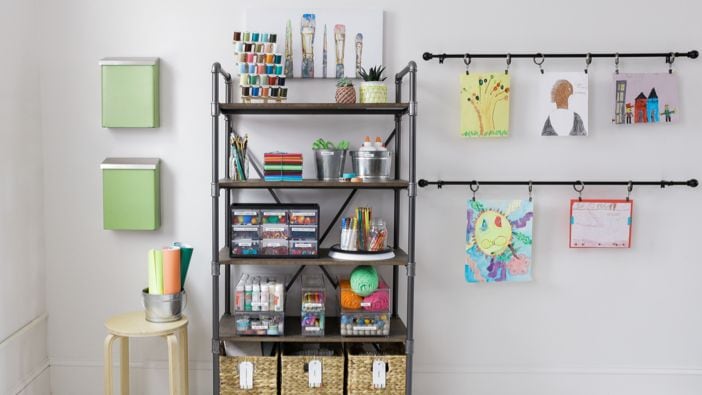
Whether you want to outfit your bathroom with new storage solutions, get closet organization ideas or learn how to overhaul your garage, we have plenty of inspiration to get you started. From do-it-yourself (DIY) projects you can complete in a day to longer custom closet installs, peruse our DIY videos to find out how to get the job done. Our DIY videos include wire shelving installation, wood closet organization installs and more.
Buying Guides for Every Area of Your Home
When you’re making a big purchase, you want to feel confident you’re making the right choice. Unsure of the best washer and dryer features to look for? We can help you choose based on what will work best for your lifestyle — whether it’s a dual-bin washer and dryer to cut your laundry time in half or a set with Wi-Fi connectivity. Need help deciding on which flooring is best for your home? We have a buying guide for that, too. No matter what big investment you’re making, we have the knowledge to help you make the best choice.
Not sure where to start? View all articles on DIY projects and ideas, separated by room, project or topic. Choose your favorites and get started on making your home everything you want it to be.