
Tools and Materials
Tools
- Shovel
- Garden Rake
- Hand Tamper
- Plate Compactor
- Rubber Mallet
- Tape Measure
- 4-ft Level
- Line Level
- Rafter/Speed Square
- Circular Saw With Wood & Concrete Blades
- Clamps
- Utility Knife
- Wheelbarrow
- Broom
- Leaf Blower
- Garden Hose & Nozzle
- Work Gloves
- Eye Protection
- Hearing Protection
- Respirator
- Wet Saw or Tile Saw & Concrete Blade (Optional)
- Mason Chisel (Optional)
- Drilling Hammer (Optional)
- Caulk Gun (Optional)
- Knee Pads (Optional)
- Plate Compactor (Rental)
Materials
- Patio Pavers
- Brick Pavers
- Paver Base/Gravel
- Paver/Leveling Sand
- Furring Strips
- Exterior Wood Screws
- Polymeric/Jointing Sand
- Mason Line
- Landscape Fabric/Weed Barrier & Pins
- 1-in Outside-Diameter PVC Pipe
- 2-in x 4-in Board (Actual: 1.5-in x 3.5-in)
- Paver Restraints
- Paver Restraint Spikes
- Paver Base Panels (Optional)
- Wall Block (Optional)
- Construction Adhesive (Optional)
Product costs, availability and item numbers may vary online or by market.
Key Takeaways
- Different paver patterns and shapes let you create patio designs in any style or size to fit your needs and landscape.
- Follow homeowners association rules and local building codes.
- Have your yard marked for utilities, lay out the patio area and ensure it’s square.
- Dig out the patio area, maintaining a slope so water runs away from the house.
- Tamp the soil and add gravel, compacting it to a 6-inch base.
- Add a 1-inch layer of sand.
- Lay the pavers straight and level, installing edging to keep them in place.
- A circular saw with a concrete blade can cut a paver, but you need to secure the paver and wear safety glasses, hearing protection and a respirator.
- Finish laying the pavers and interlock them with jointing sand or polymeric sand.
Patio Paving Ideas and Do-It-Yourself Patio Designs

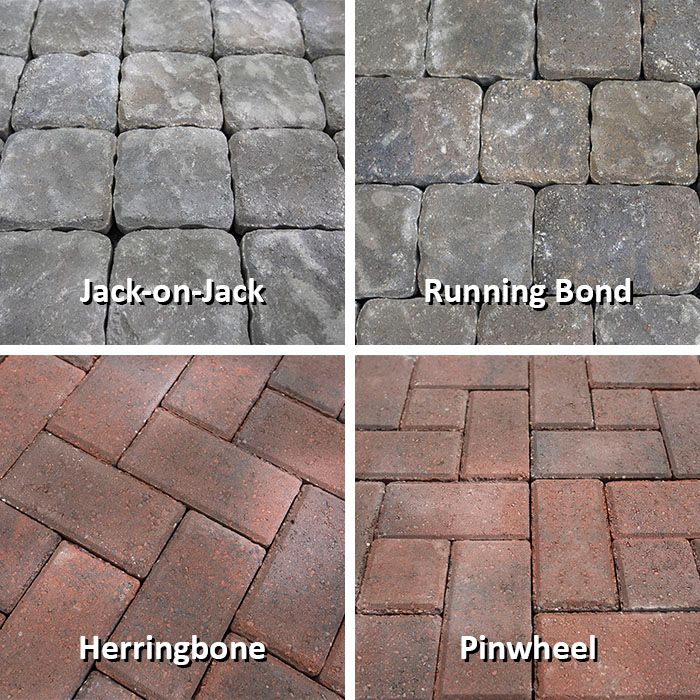
Plan a pattern for the pavers on the patio. There are many design ideas you can consider for installing pavers.
- Jack-on-jack and running bond paver patterns are the simplest to install when paving a patio.
- More advanced designs, like a herringbone or pinwheel pattern, require more cutting when installing the pavers.
- Different paver shapes can give you additional pattern options.
- If you want a patio idea that’s easier to install, consider stamped pavers that look like stone. These backyard pavers give you an eye-catching design that doesn’t require as much cutting and fitting.
Before you buy materials or begin work on your pattern and patio design, check local building codes and your homeowners association regulations to see if there are any restrictions or requirements you need to follow. A permit may be mandatory in some areas.
Tips for Using DIY Patio Pavers
- Make sure your patio is big enough for all your outdoor furniture and allows enough space to move around the furniture.
- Use thicker paving stones if you’re adding heavy objects like a hot tub or large grill.
- When planning the location for your backyard paver patio, consider sight lines from windows and doors and how your project will affect them.
- Pavers can be heavy. Enlist a helper and have your materials delivered.
For more patio paving ideas, take a look at our guide to wall blocks, pavers and edging stones. See our Paver Calculator and read about planning for a patio or walkway to learn how to estimate the materials you need for your project.
Many types of pavers and patio stones work for patios and walkways, but if you want to install pavers to build a driveway or parking area, be sure to use paving stones designed for driveways.
Before beginning any excavation, call 811 to check for underground utilities.
Shop Do-It-Yourself Patio Pavers, Tools and Supplies
A backyard paver project starts with the right tools and materials. Here are the key items you’ll need.
Key Tools for Installing a Backyard Paver Patio


Key Patio Paver Materials


How to Lay Pavers for a Patio that Lasts
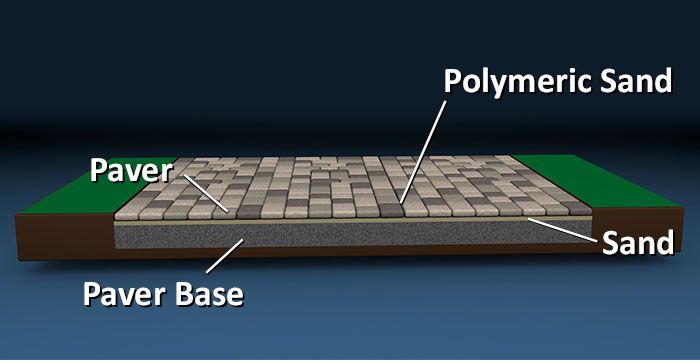
You’ll build your patio in several layers. Before installing pavers, you’ll build up a foundation to create stability for the pavers on the patio. A good foundation minimizes shifting pavers and creates a patio that will last for years to come. For this patio, we’ll need:
- A 6-inch layer of gravel paver base
- A 1-inch layer of sand
Once the foundation is complete, you’ll add the additional layers: - Pavers
- Polymeric or jointing sand in the joints between the pavers
The thickness of your paver base might vary. For example, areas with cold climates might need more gravel to keep the pavers from shifting during freeze-thaw cycles.
Interlocking base panels are an alternative to a gravel base when installing pavers. They’re lightweight and require less digging than gravel. Watch our video on how to build a paver patio with base panels and read How to Design and Build a Paver Walkway to learn how to use base panels to lay pavers.
Preparation for Installing Pavers
Like most projects, preparation is critical to the success of a DIY patio paver project. Paving a patio with a layout that’s not square and level makes it difficult to fit the pavers together properly and can cause the pavers on the patio to shift out of place over time.
Instructions


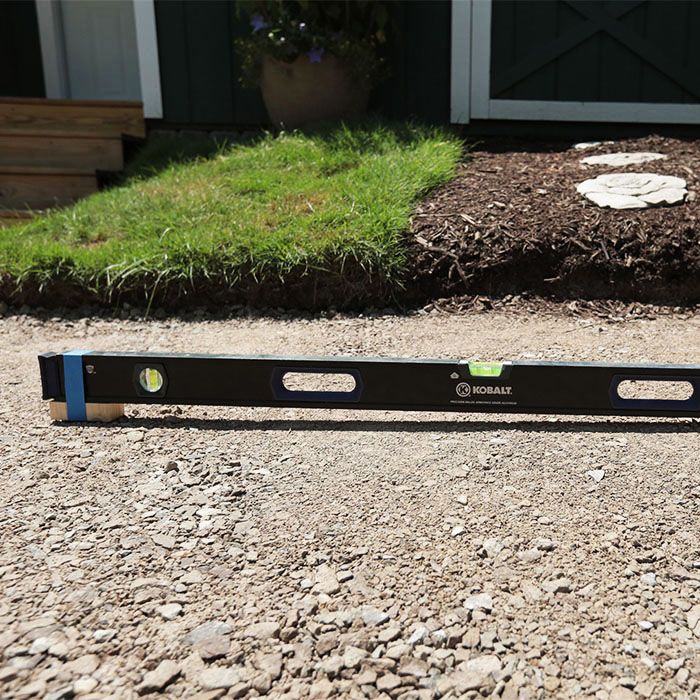


Creating the Patio Foundation
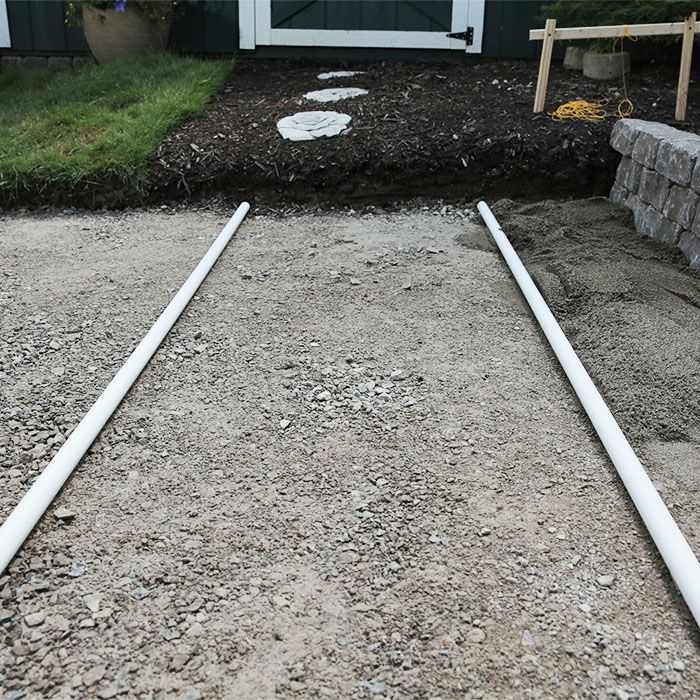
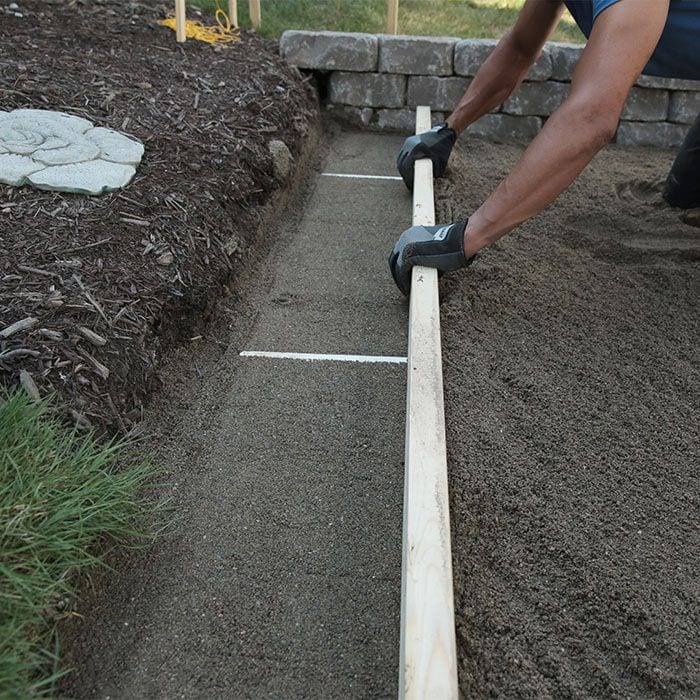
After you prep the area, it’s time to lay base material and create a foundation for installing the pavers.
Instructions


Laying Patio Pavers
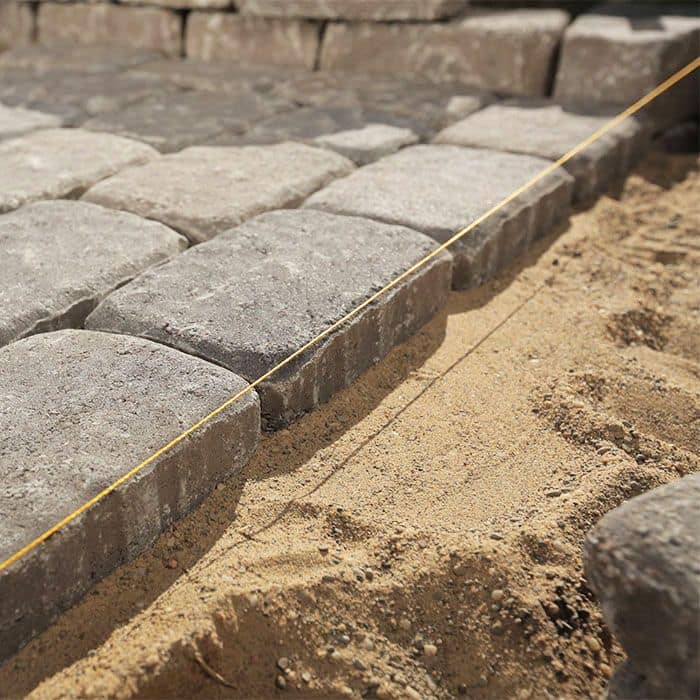
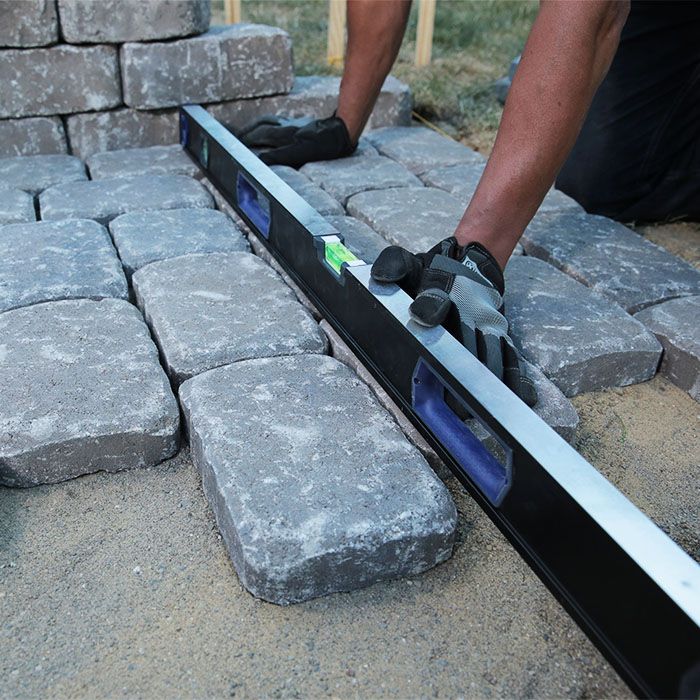
This patio has 6-inch-by-6-inch and 6-inch-by-9-inch stone in a running bond paver pattern, with 6-inch-by-9-inch blocks along the border. The process is similar for paver laying patterns, such as pinwheel or herringbone patterns, but laying the pattern may be a bit more complicated. Here’s how to lay pavers.

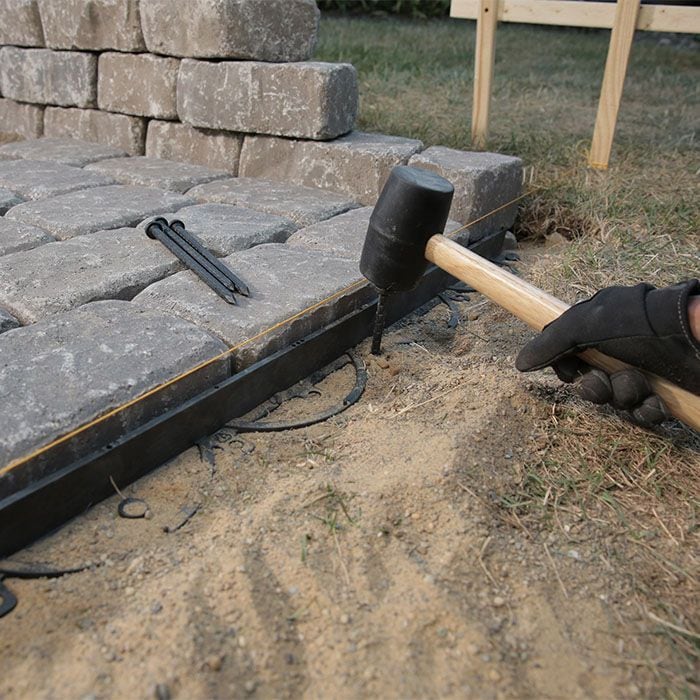

Lock in the DIY Patio Pavers With Polymeric Sand
The final step for paving a patio is adding jointing sand or polymeric sand. This material keeps the pavers on the patio and prevents weeds from growing between the pavers. Take the time to add the sand and finish the process properly.
Instructions


Finishing Touches for Paving a Patio
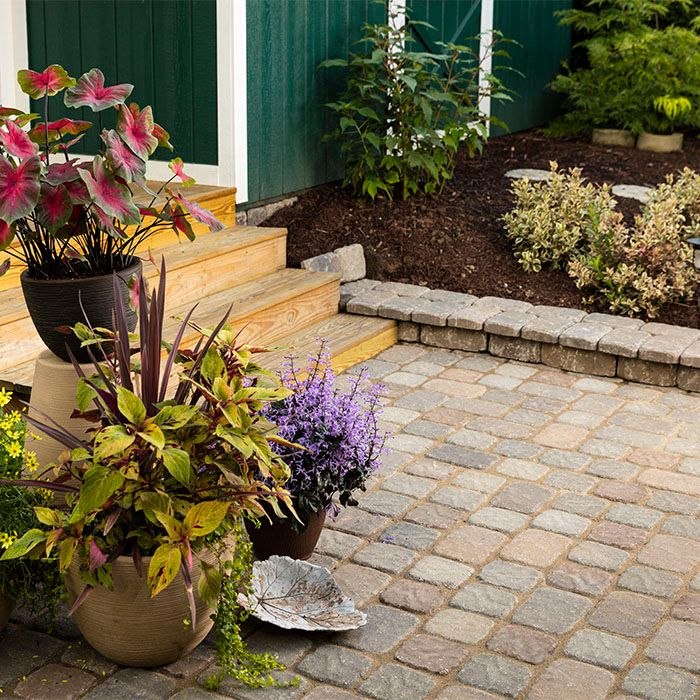
Add features to make your new backyard paver patio the highlight of your landscape:
- Select outdoor furniture and a grill to move your living and dining spaces outside. How to Choose the Best Patio Furniture for Your Home and The Ultimate Guide to Different Types of Grills will show you some options.
- Add garden beds and container plants for a touch of color. Take a look at Add a Planting Bed to Your Home Landscape and How to Plant a Container Garden to see how to get started.
- Dress up your space with garden décor items such as bird feeders, wind chimes and fountains. Find the Best Bird and Wildlife Feeder will help you match a feeder to the birds you want to attract.
- Put down mulch to separate the patio from your lawn. Get tips by reading How to Use Mulch for Gardening and Landscaping.
- Install outdoor lighting to enhance your patio at night and expand its usefulness beyond the daytime hours. Explore the possibilities with our Outdoor Lighting Ideas.
- Add outdoor heating to extend your entertaining season outside when the weather starts to cool. See Patio Heating Options From Backyard Fire Pits to Outdoor Fireplaces to find a variety of options to stay warm on cool evenings.