Prices, Promotions, styles, and availability may vary. Our local stores do not honor online pricing. Prices and availability of products and services are subject to change without notice. Errors will be corrected where discovered, and Lowe's reserves the right to revoke any stated offer and to correct any errors, inaccuracies or omissions including after an order has been submitted.

Bon Tool Masonry Tool Kits

23 results

Related Products

Masonry Equipment and Tools for Working With Cement

Laying concrete or brick requires precision and care, so you’ll need the right masonry tools to get it done. Different trowels are necessary for laying or working with different kinds of adhesives, and various pieces of masonry equipment can help to create a smooth, level surface.


Once the cement you’ve laid has dried — or if you need to remove old cement or stone before beginning a job — you may require tools for shaping or breaking the hard material. Chisels, pickaxes, crowbars, hammers and mallets are all suitable for chipping away at or breaking up hard cement. For more precise cuts, saws with blades specially made to cut through masonry will help you create clean lines and angles in hardened concrete.


Frequently Asked Questions


Q: What’s the most commonly used tool in masonry?

A: The most commonly used piece of masonry equipment is a brick trowel, or masons trowel, which has a pointed design for precisely applying and spreading mortar.


Q: What tools do cement masons use?

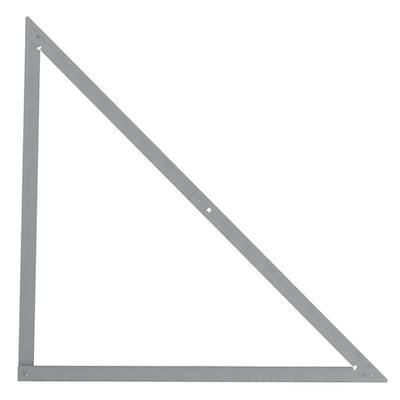
A: The concrete tools a cement mason uses will depend on their preference and the type of work they do most often. Common tools include trowels for collecting and spreading mortar, floats for leveling and smoothing surfaces, measuring tape, a plumb bob, right-angled scales, masons line, and an aluminum channel. All of these tools serve different purposes for laying brick and mortar precisely.


Q: What’s a cement trowel?

A: A cement trowel, or concrete trowel, is a metal tool with a handle typically used for smoothing out freshly poured cement. You can also use it to bring water to the surface of the cement.