

Surface Types You Can Steam Clean
One steam cleaner, plenty of possibilities — if you know where to use it. Steam is a powerful way to help with everyday cleaning. It uses high heat and moisture to soften and loosen dirt, grease and grime, making them easier to wipe away. But steam cleaning isn’t right for every surface. Choose from the surface types below to learn which are safe for steam cleaning around your home and which ones require another cleaning method.

Stainless Steel
- Kitchen sinks
- Appliance exteriors
- Countertops/work surfaces
- Shelving or utility surfaces
Before steam cleaning stainless steel, check the manufacturer’s care instructions. Avoid directing steam into seams, vents, controls or other openings, particularly on appliances. Some stainless steel surfaces also have protective or specialty finishes that may not be suitable for steam cleaning.
Wipe the surface with a clean microfiber cloth in the direction of the grain immediately after applying the steam to remove loosened dirt and moisture before they dry.
Metal can get very hot and pose a severe burn hazard when you steam clean it. Always wear heat-resistant gloves when steam cleaning metal surfaces.

Sealed Hard Floors
- Sealed porcelain tile flooring, when permitted by the manufacturer
- Sealed ceramic tile flooring, when permitted by the manufacturer
Some sealed stone and linoleum floors may be compatible with steam cleaning when specifically permitted by the flooring manufacturer. Always check both the flooring and steam cleaner manufacturers’ instructions before use.
Ensure you vacuum or sweep loose dirt before steaming so the pad doesn’t drag grit across the surface

Tile and Grout (Non-floor)
- Sealed ceramic wall tiles
- Sealed porcelain wall tiles
- Some sealed natural stones, with manufacturer approval
- Tub surrounds
- Backsplashes
- Sealed grout
Before steam cleaning tile and grout, check the manufacturer’s care instructions. Avoid using steam on cracked or damaged tile, deteriorating grout or surfaces with loose or failing sealers. Natural stone tile requires additional caution because heat, moisture and cleaning methods that are safe for ceramic or porcelain may not be appropriate for every type of stone or sealer.
Work in small, manageable sections — about three by three tiles at a time. Consider sealing after the surface is completely dry to prevent future staining.

Glass and Windows
- Shower doors
- Mirrors
- Glass tabletops
Check the manufacturer’s instructions before steam cleaning glass, particularly coated, treated or specialty glass. Avoid directing steam around the edges or backing of mirrors or directing very hot steam onto cold glass, since rapid temperature changes can cause thermal shock.
Use the type of water recommended by your steam cleaner manufacturer.

Kitchen Surfaces
- Appliance exteriors
- Some stovetop surfaces
- Oven interior cavity walls, ceiling and floor, door & glass
- Range hoods
- Refrigerators
- Microwaves
Always check the appliance and steam cleaner manufacturers’ instructions before use. Avoid directing steam into controls, vents, seams, electrical components or other openings.
Wipe the surface with a clean microfiber cloth immediately after applying the steam to lift grease and grime before it settles back onto the surface and dries.

Bathroom Surfaces
- Bathtub
- Countertops
- Sinks (ceramic and porcelain)
- Toilets (ceramic and porcelain)
- Faucets and shower heads (stainless steel or chrome)
Check the surface and steam cleaner manufacturers’ instructions before use. Avoid steam on damaged grout or caulk, painted or wallpapered surfaces and materials that can be damaged by heat or moisture.
Work from the top down, starting with higher fixtures, walls and grout lines. Wipe away loosened soap scum and moisture right away with a microfiber cloth or extraction tool so it doesn’t settle back onto the surface.

Upholstery and Fabric
- Upholstered sofas and chairs
- Fabric-covered dining chairs
- Upholstered ottomans
- Upholstered benches
- Fabric-covered furniture cushions
- Fabric headboards
Always vacuum upholstery before steam cleaning to remove loose dirt, pet hair and crumbs. Then check the manufacturer’s instructions, upholstery labels and standard upholstery cleaning codes. These codes advise on the appropriate cleaning method for the fabric on your furniture. The codes are as follows:
- W: Water-based cleaning agents
- S: Solvent-based cleaning agents
- WS: Water- or solvent-based cleaning agents
- X: Vacuuming or brushing only; no liquid cleaning agents
When steaming fabric, don’t oversaturate it or hold the steamer in one place for too long. Excess moisture can contribute to mildew or odors. Durable synthetics may be better able to tolerate steam than delicate fabrics. However, suede, silk and other delicate fabrics may require specialized cleaning, so test steam-compatible fabrics in an inconspicuous area first to check for shrinkage, texture changes, discoloration or other damage.
When steam cleaning vintage fabrics, err on the side of caution. Older fibers, dyes and finishes may be more sensitive to heat and moisture, which can cause shrinking, discoloration, bleeding or other damage. Check any available care instructions and consider professional cleaning for delicate, valuable or antique textiles rather than steam cleaning them at home.
When steam cleaning upholstery and fabric, use multiple fast passes instead of one slow pass to prevent over-saturating the padding and shrinking the fibers.
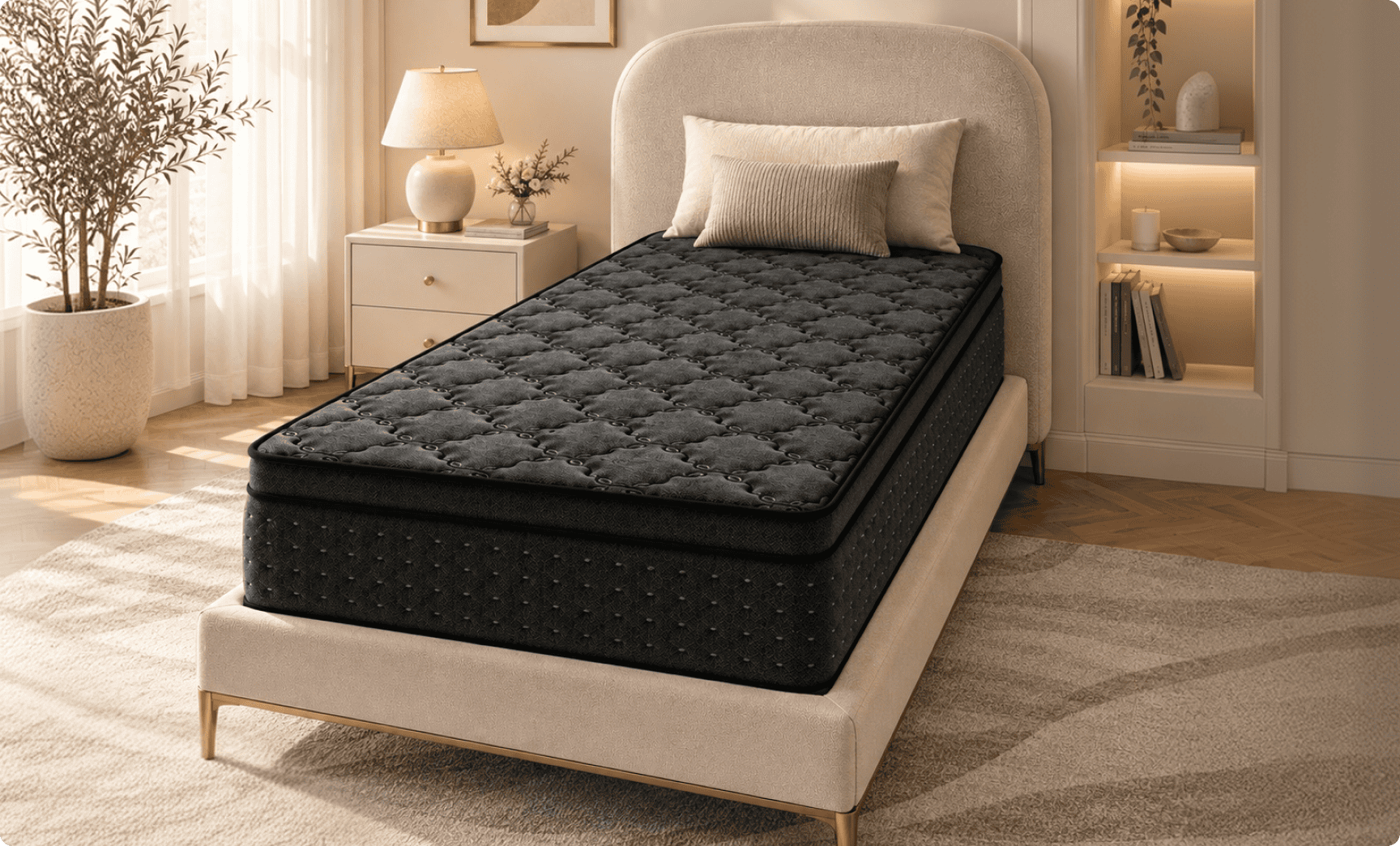
Soft Surfaces
- Mattresses
- Curtains and drapes
- Decorative pillows and cushions
- Pet beds
- Other washable or steam-compatible household fabrics
Check the care label and manufacturer's instructions, test compatible materials first and avoid oversaturating them.
Use the type of water recommended by your steam cleaner manufacturer. Check the furniture manufacturer’s instructions and fabric cleaning code before using steam. Fabrics marked S or X generally shouldn’t be cleaned with water-based methods.
Surfaces You Shouldn’t Steam Clean

While steam cleaning works well on many surfaces around the home, some materials aren’t suitable for it use.
Hardwood Floors: Avoid steam cleaning hardwood flooring unless the flooring manufacturer specifically permits it. Heat and moisture can damage some finishes, penetrate seams, warp wood and potentially void the warranty.
Unsealed Wood: Heat and moisture can seep into the unprotected wood grain, causing warping, swelling, cracking and other damage.
Laminate and MDF: Moisture can penetrate seams, edges or damaged areas and cause the underlying wood-based material to swell or deteriorate.
Painted Surfaces: Heat and moisture from steam can soften, blister, peel or otherwise damage some paints and finishes, especially when the paint is already cracked or deteriorating.
Wallpaper: Heat and moisture from steam can soften wallpaper adhesive, causing the wallpaper to loosen or peel.
Luxury Vinyl Plank (LVP): Avoid steam cleaning LVP unless the flooring manufacturer specifically allows it. Heat and moisture can penetrate seams and potentially damage the flooring or adhesive, causing edges to curl or lift.
Leather Furniture and Other Leather Surfaces: Heat and steam can strip natural oils from leather, causing it to dry out, discolor, crack or stiffen.
Waxed or Polished Surfaces: Steam can soften or remove protective wax or polish layers and can dull some polished surfaces, leaving them uneven, discolored or cloudy.
Make Steam Cleaning Work for You

Ready to put steam to work around your home? Start by checking the care instructions for the surface you’re cleaning, then choose the right steam cleaner and attachments for the job. Shop steam cleaners and cleaning supplies online or visit your local Lowe’s to find what you need to tackle your cleaning routine.