

Key Takeaways
- Cabinet and drawer pulls come in a variety of styles, including bar, cup, arch and handle pulls, along with classic knobs.
- Choose hardware based on functionality; larger, sturdier pulls work best for heavy drawers, while knobs suit smaller cabinets.
- Match materials and finishes with existing fixtures like faucets and lighting for a cohesive look.
- Follow standard placement guidelines, centering pulls on drawers and positioning them vertically on cabinet doors.
- Use the one-third rule to select the right size pull for balanced proportions and visual appeal.
Types of Drawer and Cabinet Pulls and Knobs
Cabinet hardware may be small but it makes a big impact in a room. Choosing the right drawer and cabinet pulls and knobs makes the difference between drab and fabulous.
Bar Pulls

Bar drawer pulls have a sleek and streamlined appearance and are favored for being easy to grip on drawers and cabinets. They’re a popular choice, especially for contemporary, modern and transitional designs. They're versatile in various lengths and finishes like brushed, matte, oil-rubbed and antique.
Bar pulls come in many sizes and finishes, including matte black, satin nickel and brushed brass. They go with a range of interior décor styles. Their minimalistic design makes them versatile. They fit well in both traditional and modern settings. These are easy to install and use. They’re a stylish and practical addition to any kitchen or bathroom cabinetry.
Cup Pulls

Cup drawer pulls (also called bin pulls) are a classic cabinetry option. Shaped like a half-moon or a cup, these pulls have a comfortable grip and can be installed with the opening facing downward. They’re mostly found in traditional and farmhouse-style kitchens. They also add a vintage touch to any modern space. Cup pulls come in many finishes, including oil-rubbed bronze, antique brass and polished chrome.
Arch Pulls

Arch drawer pulls are a stylish and functional example of form and function. Their graceful, curved design adds a touch of elegance to any room, whether traditional or modern style. These pulls work well in many classic materials, including stainless steel, brass and bronze.
Arch pulls with ergonomic shapes have a comfortable grip, making it easy to open drawers. They’re well suited for both traditional and modern décors.
Handle Pulls
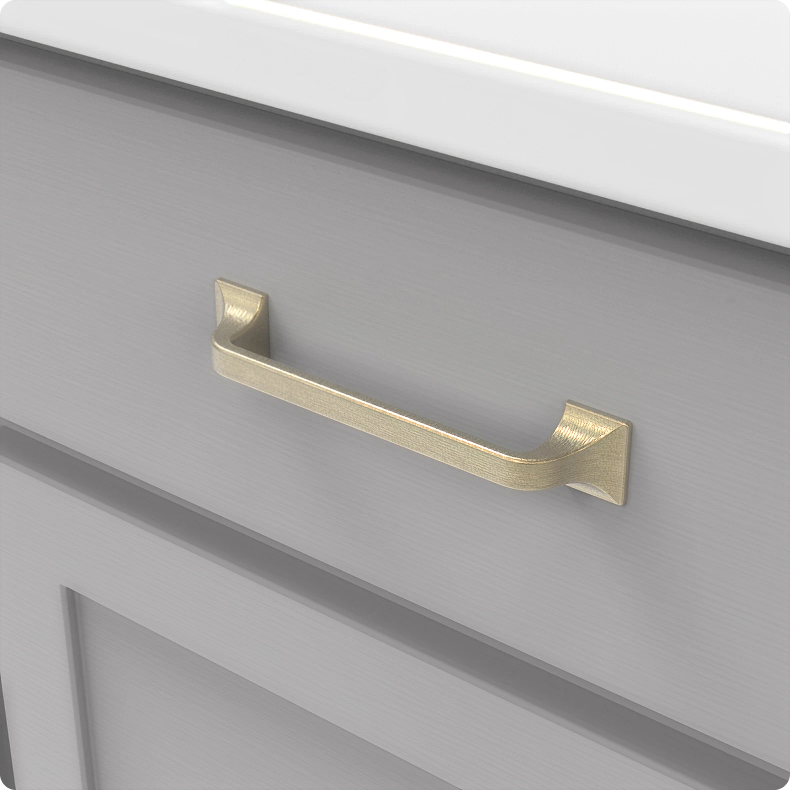
Handle drawer pulls are versatile and practical for cabinets and drawers. They’re sturdy and provide a good grip. These pulls come in many styles, from sleek and modern to classic and rustic. They can be a perfect match for any décor.
Handle pulls come in a variety of styles, from the clean lines of a contemporary matte black handle to the stylish elegance of a classic brushed gold handle. They add a sleek, contemporary look while providing a practical, complementary function that works well with both modern and traditional styles.
Knobs

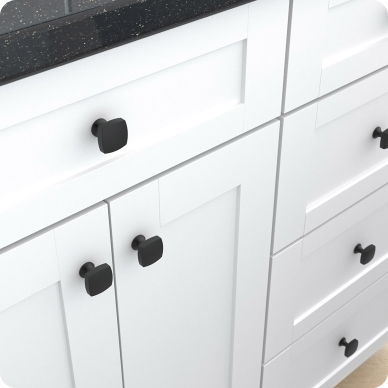
When selecting cabinet knobs, consider their three core elements: style, material and finish. Their compact size makes them ideal for smaller drawers and cabinets, and you can also find knobs in many shapes, with round, square and bar (also known as a T-bar) being the most popular. Whether your style leans towards a traditional knob, a modern knob, a rustic knob or an industrial knob, choosing a knob is a style preference.
Cabinet knobs are available in a range of popular materials, including metal, glass, ceramic and wood. Pair finishes like satin, antique or oil-rubbed with existing fixtures for a polished, cohesive look. You can easily replace the knobs to match any style of décor. For a trendy look, try mixing metals.
Changing cabinet knobs is a quick and affordable DIY way to refresh the look of your kitchen, bathroom or furniture.



What to Consider When Choosing Drawer and Cabinet Pulls and Knob Styles
When choosing your drawer and cabinet pulls and knobs, there are several factors you should keep in mind to help you in your decision making.
Style and Design
Selecting a specific style allows you to add a personalized touch to different spaces. If you want these for your child's bedroom or a themed kitchen, themed pulls are a good choice. Bar pulls or arch pulls are superb choices for a more cohesive and modern look. Think about your overall décor style to make sure the pulls match your design and vision.
Material and Finish
Choose metal pulls, like stainless steel or brushed nickel, if you’re looking for durability. If you want a more traditional or rustic feel to your room, ceramic or wooden knobs are a good choice. While the drawer and cabinet pulls don’t have to match the fixtures in your room, they should complement one another. You can also mix metals to add contrast and depth for a curated feel.
Placement
When deciding where drawer handles should be placed, usability and ergonomics should be your top priority. Normally, pulls are centered horizontally on drawers, while on cabinet doors they’re placed vertically near the opening edge.
For drawers, bar pulls and cup pulls are a good choice. They can be centered horizontally for a balanced, modern or classic look. Knobs should for a balanced look. On cabinet doors, handle pulls and arch pulls should be placed vertically near the opening edge. They fit both modern and classic styles.
Size and Spacing
Figuring out how to choose the right drawer pull size is crucial for both aesthetics and functionality. Use the one-third rule (the length of a pull should be about one-third the width of a drawer or height of a cabinet door) to select the right pull size for your drawers. This guideline ensures a balanced, visually pleasing, and proportional appearance while preventing the hardware from looking too small or overwhelmingly large. The one-third rule applies as follows:
- If the drawer size is 18 inches wide, the pull should be 6 inches long.
- If the drawer size is 24 inches wide, the pull should be 8 inches long.
Larger drawers might require two pulls for balanced and easy operation.
Explore Other Drawer and Cabinet Pulls


Update Your Cabinets and Drawers

Update areas of your home without making major renovations. Small changes can really make a difference. Upgrading your drawer and cabinet pulls and knobs can give any room in your home a fresh look and effortlessly keep you on budget. And with a variety of materials, styles, finishes and shapes to choose from, you can create a signature look that’s all your own. Shop online at Lowes.com where you’ll find a wide selection of pulls and knobs.
Drawer and Cabinet Pull FAQ
Here are some of the most common questions when shopping for drawer and cabinet pulls and knobs.
What is the One-Third Rule When Selecting Cabinet Pulls?
It’s a simple guideline used in kitchen and furniture design to help choose the right cabinet pulls so they look balanced. So, it means the length of your cabinet pull should be about one-third the width of the drawer or cabinet door.
What’s Better, Pulls or Knobs?
Pulls and knobs actually serve different purposes. Pulls are easier to grab and better for heavy drawers. Knobs are less expensive, simpler, good for small drawers and doors.
How Do You Measure Drawer Pulls?
Measure the center-to-center distance between existing holes. If there are no existing holes, you’re not measuring; you’re choosing placement and size from scratch. That gives you more flexibility. Decide on the placement of the pull (horizontally or vertically). Find the center point of the drawer and measure half the distance each way. For instance, if the pull is five inches long, center-to-center equals five inches. Mark one hole at two and a half inches left of center and the second hole at two and a half inches right of center. Drill pilot holes first to prevent splitting.
What’s Better, Pulls or Knobs?
Pulls and knobs actually serve different purposes. Pulls are easier to grab and better for heavy drawers. Knobs are less expensive, simpler, good for small drawers and doors.