Prices, Promotions, styles, and availability may vary. Our local stores do not honor online pricing. Prices and availability of products and services are subject to change without notice. Errors will be corrected where discovered, and Lowe's reserves the right to revoke any stated offer and to correct any errors, inaccuracies or omissions including after an order has been submitted.

Wire and Cable Pulling Tools

98 results

Related Products

Speed Up Your Electrical Wiring Projects With Cable Grips

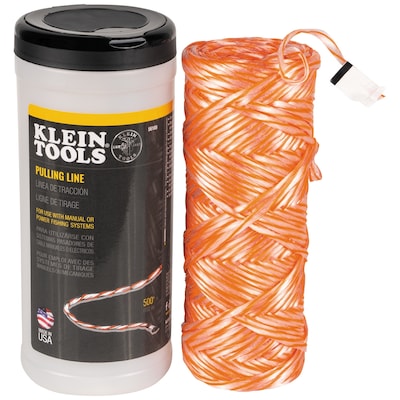
Cable grips and other wiring tools can help your projects go faster. At Lowe’s, we have an impressive selection of cable pulling grips that reduce time and eliminate the need to make a pulling head while you’re on the jobsite.


Frequently Asked Questions


Q: How does a cable grip work?

A: A cable pulling grip works by gripping the cable or wire and making it easier to pull. If you’re working on a project that requires you to fish one or more small wires or cables through an opening, cable grips can help you get the job done in minimal time.


Some cable grips are made from split mesh. These are often referred to as basket grips and are designed to fit around cables and wires of various sizes. Many basket grips are reusable, so you can use them on multiple wiring projects. Other cable grips are designed for one-time use and are constructed from durable galvanized steel. They eliminate the need to make your own pulling heads, which can be a time-consuming process.


Q: How do you use a cable grip?

A: To use a cable grip, select the smallest grip that’ll fit comfortably over the cable’s jacket. Next, inspect the pulling grip to ensure there are no broken wires, rust or any other type of damage. Then you can gently walk the cable into the pulling grip using a gentle pumping motion.


Now that you know how to install a cable into a cable grip, check out our Electrical Wire and Cable Buying Guide for help selecting the right wires and cables. Always follow the safety and installation directions included in the manufacturer’s instructions for your wires and cables. Follow all applicable electrical and building codes in your area. Contact a licensed electrician if you don’t know how to safely complete electrical wiring projects.


Frequently Asked Questions