
Key Takeaways
- Adhesive tapes are versatile, mess-free solutions for bonding, sealing, insulating and organizing across a wide range of home projects.
- Different tapes are designed for specific uses — painting, electrical work, plumbing, flooring and HVAC applications all require the right type.
- Choosing the correct tape depends on factors like surface type, adhesive strength, temperature resistance and whether the bond should be temporary or permanent.
- Specialty tapes like HVAC foil tape, OSB tape and flooring tape improve efficiency, safety and durability in construction and repair projects.
- Proper application, clean surfaces, correct pressure and following manufacturer guidelines ensure the best performance and longevity.
What Are Adhesive Tapes?
Adhesive tapes are used to bond a variety of materials including cloth, wood and metal. Adhesive tape is either one-sided to connect two overlapping or adjacent materials, or double-sided to join two materials back-to-back. Unlike tapes that are heat- or water-activated, adhesive tapes, also known as pressure-sensitive adhesives (PSAs), are self-sticking and coated onto a backing material like cloth, metal foil, plastic or paper. Adhesive tape is mess-free, it doesn’t require any special tools and it’s quick and easy to use. The type of tape you’ll use depends on the project. We'll help you find the best adhesive tape for yours.
Types of Tape
Masking Tape

Use masking tape for:
- Creating clean paint edges
- Securing materials while paint dries
- Kids crafting activities
- Various DIY projects
- Bundling cables together
- Marking precise drilling depts
- Labeling food containers, sandwich bags, school supplies, etc.
- Protecting delicate edges while cutting or sanding
- Preventing splintering when cutting
- Protecting surfaces during repairs
Masking tape is a rubber-based multipurpose tape that isn’t UV resistant. In addition to painting projects, it’s the tape of choice for many automotive, building, construction and electronic needs. It’s usually an off-white, thin tape that’s easy to tear and is available in a variety of widths and strengths. Masking tape has a strong adhesive that bonds with almost any type of surface, but is best for use on durable surfaces, like unfinished wood, brick, concrete and carpet.
Painters Tape

Use painters tape for:
- Painting projects – creates sharp, clean paint lines and sharp edges
- Contains a water repellent, making it a better choice for water-based projects than masking tape
- Marking drill depths
- Preventing wood from splintering
- Various DIY projects
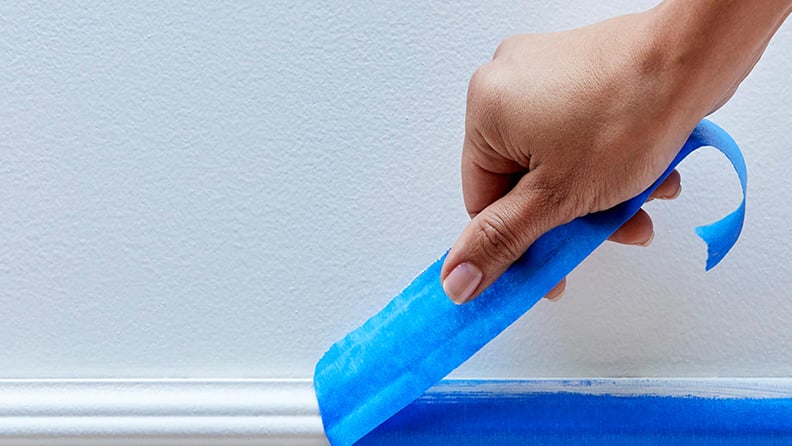
Painters tape is an acrylic based masking tape that’s formulated to prevent paint from seeping through onto surfaces. Compared to masking tape, painters tape is a UV resistant, low tack tape, making it a better choice to use on walls, doors, windows, floors or ceilings. It also contains a water repellent, making it ideal to maintain clean lines when using water-based paints. Painters tape comes in a variety of types including tape for delicate surfaces, tape for rough surfaces, and tape for ultra-sharp paint lines. You’ll find painters tape in a variety of colors, including blue or green.
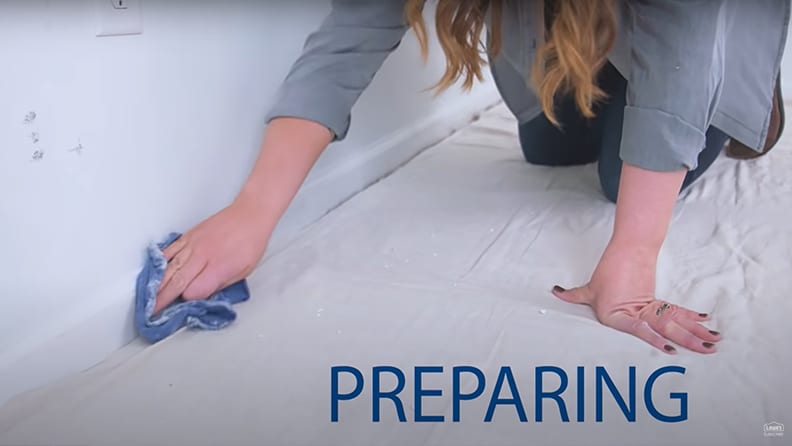
While it's not good practice to leave painters tape on too long, there are high quality tapes that can be left on for 30 or even 60 days. A good rule of thumb is to remove the tape once the paint has dried. Learn more about how to prep for painting with painters tape in the video below. For more on how to use painters tape, you’ll find our practical guide useful.
Use our Tape Selector Tool to find the right painters tape for your project.
Duct Tape

Use duct tape for:
- Sealing small air leaks in ductwork (short-term only)
- Repairing torn fabric
- Taping a flashlight to something for hands-free lighting
- Bundling materials (pipes, lumber, conduit)
- Crafting projects and labeling things (writing directly on things with a marker)
- Patching torn insulation or vapor barriers
- Wrapping tool handles for a better grip
- Holding cracked hoses together until you can replace them
- Holding batteries or loose parts in place
- Taping down electrical cables
- Preventing scuffs on the floor from chair legs
Duct tape is a great choice for general maintenance, bundling, wrapping, attaching and sealing. It’s a durable, multipurpose and super strong triple-layer tape with a mesh backing made from low-density polyethylene, giving it strong adhesion. Some duct tape conforms to smooth and textured surfaces like concrete and brick. Once only available in gray, duct tape can now be found in a wide range of colors and patterns to match any repair job.
Electrical Tape

Use electrical tape to:
- Insulate electrical wires and prevent short circuits
- Protect electrical wires
- Reinforce tool grips
- Seal items from moisture
- Provides thermal insulation for materials like CO2 cartridges
- Safely repair exposed or frayed wires
- Organizes cables to reduce clutter
- Safeguard delicate circuits in computers and TVs from moisture
Electrical tape is an essential component of any installation, repair and manufacturing project. It’s used to protect, insulate and mark electrical wires and other materials that conduct electricity. The proper way to use electrical tape is to pull and stretch it as you wind it around wires. This shrinks the tape around the wire, creating a tight seal that won’t expand when it gets cold.
Electrical tape is available in a variety of colors; each one is designated for specific electrical requirements.
Black: Low voltage, Phase A (used on wires in direct sunlight)
Red: Low voltage, Phase B
Blue: Low voltage, Phase C
Brown: High voltage, Phase A
Orange: High voltage, Phase B
Yellow: High voltage, Phase C
Purple: High voltage, Phase B
Green: Earth ground
White: Low voltage, neutral
Gray: High voltage, neutral
Plumbers Tape

Use plumbers tape for:
- Sealing pipe threads
- Plumbing fixture installation – wrapping threads when installing shower heads, sink faucets, hose connections, toilet supply lines
- Lubricating threads
- Preventing corrosion and seizing
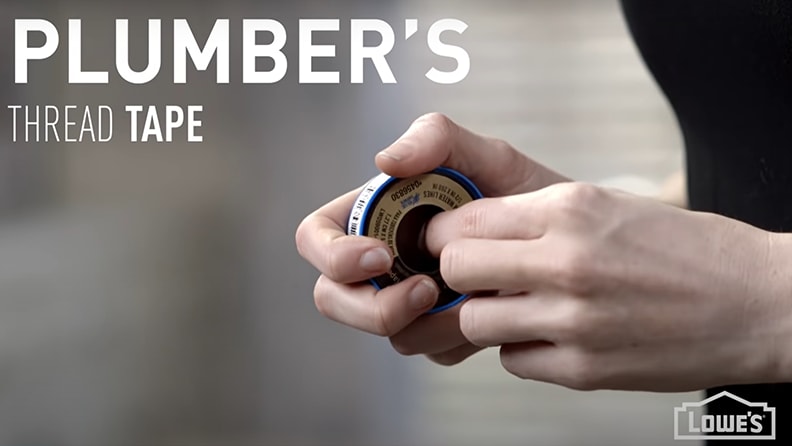
Plumbers tape, also called Teflon tape, is used to create a watertight seal between joints on pipe threads that don’t have a rubber seal. It also lubricates the joint connections, making it easier to thread or disassemble. Plumbers tape can be easily torn with the hands, is spooled in a variety of widths and is used to install bathroom and kitchen fittings, as well as outdoor water taps.
Want to learn more about plumbers tape? Check out the video below. To learn how to use plumbers tape, our helpful guide tells you everything you need to know.
Packing Tape

Use packing tape for:
- Sealing cardboard boxes, manilla envelopes, bubble mailers and foam
- Reinforcing packages
- Bundling items together (cords, loose parts, etc.)
- Temporary fixes for torn cardboard, packaging, or paper items
- Crafting and DIY projects
Packing tape, also known as packaging tape, is a polypropylene- or polyester-backed tape designed for long-lasting performance. Packing tape works in hot and cold temperatures. While it isn’t waterproof, it is water-resistant. The most common colors of packing tape are brown and clear; however, colors like blue, red or green are available when the project calls for color coding.
Double-Sided Mounting Tape

Use double-sided mounting tape for:
- Hanging and mounting items
- Automotive uses like attaching trim or mounting dash cams
- Securing loose panels or trim pieces
- DIY and crafts
- Anti-slip/stabilization (keeping rugs, mat or small furniture from sliding)
Double-sided mounting tape is a durable tape with adhesive on both sides that’s designed to join two items together. The adhesion on double-sided mounting tape is usually strong, and it’s either removable or permanent. Check manufacturer’s recommendations for the maximum weight capacity before hanging large items.
Flooring Tape

Use flooring tape for:
- Installing temporary flooring
- Keeping rugs and carpeting from moving
- Securing carpet seams and edges
- Holding stair runners in place
- Light-duty flooring repairs
Flooring tape is a double-sided tape used to help keep your carpets, runners, floor mats and rugs in place to prevent tripping hazards. It’s a moisture-resistant tape that’s durable. Many of the rug tapes available can be used on marble, laminate and more.
HVAC Foil Tape

Use HVAC foil tape for:
- Sealing HVAC ducts
- Heat-resistant sealing
- Securing duct insulation (like fiberglass wrap)
- Helping maintain temperature inside ducts
- Patching small holes or cracks in ductwork, metal pipes or vents
- Fastener or garage doors
- Seaming tape for insulation
HVAC foil tape is a durable, foil-backed tape with acrylic adhesive used for joining and sealing joints and duct closures. It has excellent bond strength and helps keep your heating and cooling units working efficiently. It’s the preferred tape over cloth-backed duct tape for heating ducts. HVAC foil tape provides a barrier against vapor and can withstand temperatures exceeding 300 degrees Fahrenheit.
OSB Tape

Use OSB tape for:
- Sealing OSB seams
- Sealing air barrier
- Moisture protection
- Weatherproofing during construction
- Repairing sheathing gaps or small cracks
OSB (oriented strand board) tape, also known as sheathing tape, is designed for use with OSB boards (engineered wood that’s like particle board). It creates a water-resistant barrier over gaps between OSB boards, doors and windows, and blocks cold air. OSB tape is made from a durable acrylic that bonds to wood, glass, concrete and other materials and is generally used in construction.
Multipurpose Tape

Use multipurpose tape for:
- Sealing leaks in pipes to prevent water damage
- Wrapping around electrical wires to prevent short circuits
- Adding color and patterns to paper crafts
- Covering bottles, binoculars, cameras, flashlights, and bicycles while also protecting items from scratches
- Bonding instantly to seal out air, water and moisture
- Wrapping toys, gifts, etc. without tape showing
Multipurpose tapes are used in a variety of applications – for everything from marking floors to creating magnets for household items to organizing your home office.
Tips on Applying and Removing Tape
- Always start with a clean and dry surface so that the tape adheres the way it should.
- Adhesive tape stored out of direct sunlight has a shelf life of about one year before it starts to lose its effectiveness.
- To remove tape that has a strong adhesive, use warm soapy water or mineral spirits. You can also use a putty knife to lift the tape at the edge, then slide your fingernail under it and peel it back at a 45-degree angle.
- When removing tape that’s been on for a few days, rip it off quickly.
- When removing tape that’s been on for a longer time, take your time removing it.
- When considering which tape to use for your projects, think about the adhesive strength you’ll need.
- For the best results with any tape, follow the manufacturer’s recommendations on application, use, storage and removal.
Find the Right Tape for Your Project

Tape is a versatile tool that protects surfaces and reinforces items. Each type has unique properties, with different tapes designed for different tasks, and they offer fast alternatives to more permanent fastening solutions.
Get a better hold on your next project — shop tape options at Lowe’s. Shop online to find the right tape you need or head to your local Lowe’s and shop in-store.
Choosing the Best Tape for Your Project FAQs
Here are some of the questions customers have that might help you as you learn more about choosing the best tape for your project.
What is the Difference Between Masking Tape and Painters Tape?
Masking tape is stronger and more general-purpose, while painters tape is low-tack, UV-resistant and designed to create clean paint lines without damaging surfaces.
Can Duct Tape Be Used for HVAC Ducts?
No. HVAC foil tape is the correct choice because it withstands high temperatures and creates an airtight seal, unlike duct tape which can fail under heat.
When Should I Use Double-Sided Mounting Tape Instead of Screws?
Use it when you want a clean, no-hole installation for lightweight to medium items, such as décor, hooks or small fixtures.
How Do I Choose the Right Tape for My Project?
Consider the surface, environment (heat, moisture, UV exposure), required strength and whether the bond needs to be temporary or permanent.
Is Packing Tape Waterproof?
Packing tape is water-resistant but not fully waterproof. It protects packages from light moisture but shouldn’t be relied on in wet conditions.