

What Is a Router Tool?
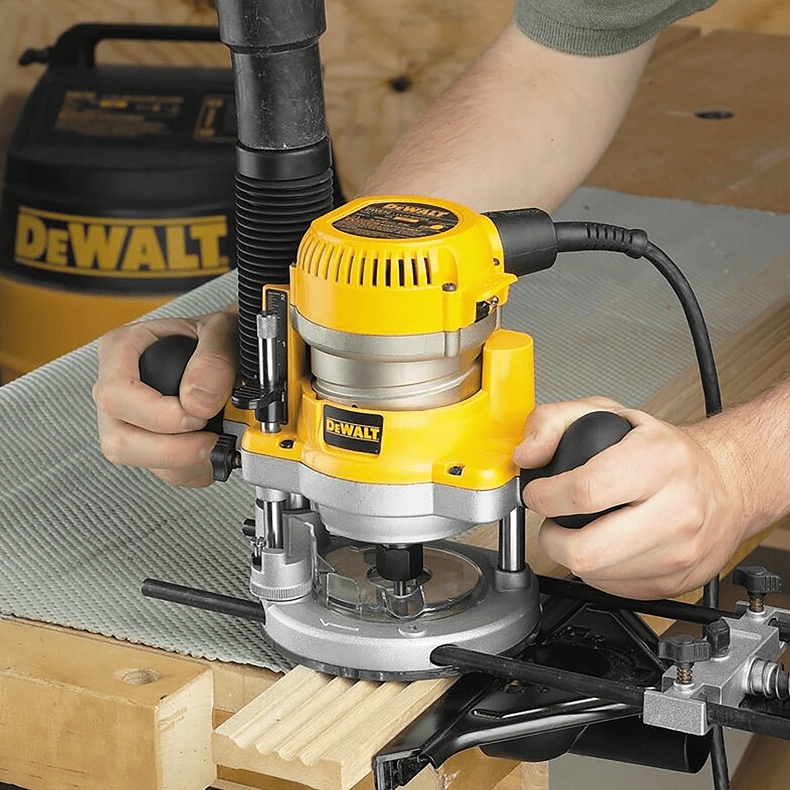
A woodworking router is a power tool that spins a bit at high speed to shape or cut profiles into a wood workpiece. A motor turns the router spindle or shaft, and a collet secures the bit to the spindle. Different bits create different shapes or profiles in the wood.
Uses for a Router
Depending on the router and bit, this tool can:
- Create decorative edges on a workpiece
- Smooth or round the edges of a workpiece
- Cut precise mortise and tenon joints, as well as edge, rabbet and dado joints
- Cut mortises or recesses for hardware or decorative inlays
Get router tips and techniques in our guide to using a router.
Types of Woodworking Routers
Fixed base and plunge routers are the most common types of routers, while trim routers make a nice addition to a woodworking tool kit for quick work.
Fixed-Base vs. Plunge Routers

A fixed or fixed-base router cuts at a consistent depth. Most models let you change the bit depth before you start the router, but the bit stays at the set depth for the length of the cut. Fixed-base routers typically cut more accurately than plunge routers, making it easier to shape edges precisely.
A plunge router is more versatile. The spring-loaded base lets you raise and lower the router and bit as you work. This action can cut down into the surface of a workpiece more safely and accurately. You can also vary the depth of a cut as you work. A plunge router typically has a lock that lets you keep the bit at a consistent depth, so you can also shape the edge of a workpiece. However, precise shaping with a plunge router requires more practice.
Combination Fixed/Plunge Routers

If you want to purchase one router that can handle many applications, a combination router is a good choice. Combination router kits include a router, a fixed base and a plunge base. You can use the fixed base to cut or shape workpieces and the plunge base to easily cut inlays, mortises, etc. in the surface of the piece.
Trim Routers
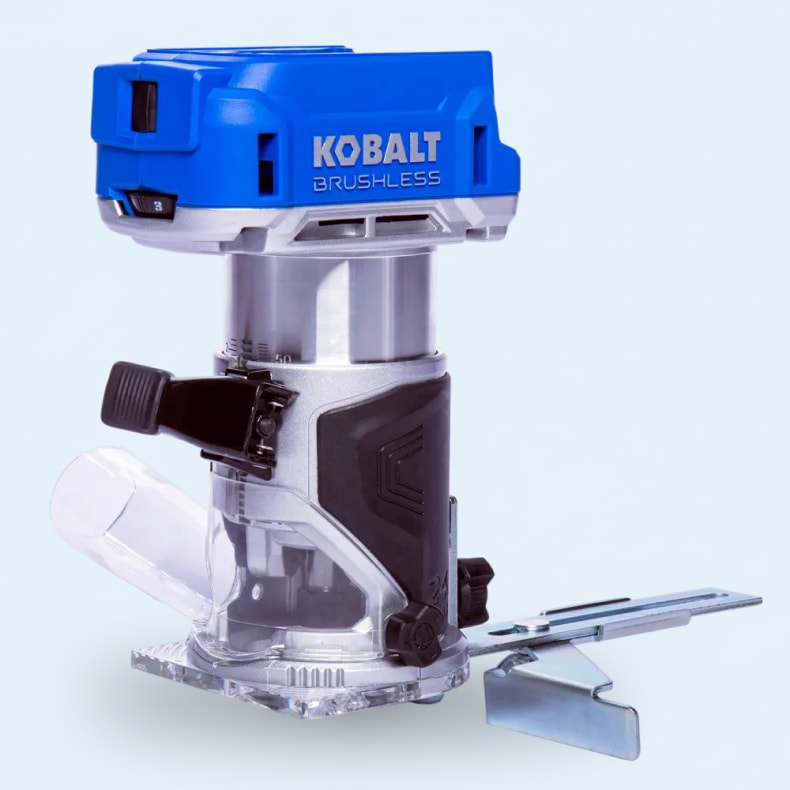
A trim router is a lightweight, one-handed router. It’s highly maneuverable and perfect for quick, light-duty shaping and mortise work. A trim router is a nice complement to a full- or mid-size router. This compact router is usually a fixed model and — since it’s designed for lighter work — takes smaller 1/4-inch router bits.
Corded vs. Cordless Wood Routers
Full-size routers are often corded tools, but you can find smaller routers available as corded or cordless models. Corded routers offer continuous power for consistent cutting and larger projects. Cordless routers are more portable and, without a cord to get in the way, can make work easier.
Wood Router Features and Specifications
Understanding features and specifications helps you compare different routers.
Router Power
A more powerful motor is more versatile, but a large motor adds weight and expense, while a lower-power router is more compact, easier to maneuver and more economical. Voltage ratings on cordless models and amp ratings on corded models tell you how powerful a router is.
Collet Size
High-power routers have collets that accept larger, more capable 1/2-inch bits. Smaller routers take 1/4-inch bits. For the most flexibility, look for a model that accepts both 1/2-inch and 1/4-inch router bits.
Variable Speeds

A variable-speed feature lets you adapt the router to your project and bits. Higher speeds are more effective with small bits. Slower speeds suit large bits, creating cleaner cutting and reducing the risk of burning the workpiece.
Brushless Motor

A brushless motor on a cordless router runs cooler and works more efficiently than a brushed motor. This efficiency can give you more routing power, make better use of the battery and extend the life of the tool. Read our comparison of brushless and brushed motors to see the benefits and considerations for each motor type.
Depth Adjustment
Depth adjustment gives you control over how far the bit cuts into a workpiece. Depending on the bit, different depths also let you control the shape you rout. Adjustable routers often have both coarse and fine depth adjustments.
Dust Collection

A dust collection port that connects to a shop vacuum hose makes it easy to reduce airborne dust. Dust removal improves safety, helps you see your work better, and lets you work with less risk of burning the workpiece.
Other Features
- A work light makes it easier to see the bit and workpiece.
- An included fence keeps the router parallel to the workpiece to increase precision.
- A spindle lock immobilizes the router shaft for easier bit changes.
- Soft start increases power and speed gradually, giving you better control when you begin working.
Router Bits and Attachments

The router bit determines how a router shapes the wood. A router bit set includes different shapes or profiles and a range of sizes. Read our guide to router bits for tips to find the right one for your project.
Router attachments include jigs, guides and templates that make accurate cutting and shaping easier. A router table lets you use a handheld router more precisely. Compatible routers mount upside down under the table, allowing you to maneuver the workpiece instead of the router.


Wood Router Safety

Read your router manual and follow the instructions for safe use and adjustments. Here are some key tips for using a router safely:
- Disconnect the router from power before changing bits or adjusting the tool.
- Wear safety glasses when using a router and, as necessary, hearing protection, a face shield and a respirator.
- Avoid wearing loose-fitting clothing and jewelry and tie back long hair.
- Use dust collection equipment and work in a well-ventilated area.
- Secure your workpiece before routing.
- Don’t turn the router on or off when the bit is touching the workpiece.
- Move the router along the workpiece against the rotation of the bit.
Key Takeaways for Choosing the Best Wood Router
The right router gives your woodworking projects a decorative look and lets you create strong joints for furniture and cabinetry. When you’re shopping for a router, keep these quick tips in mind:
- A fixed router is best for shaping and rounding edges.
- A plunge router is best for cutting mortises and inlays in the middle of a workpiece.
- A combination router kit offers the best versatility.
- A trim router is a good complement to a larger fixed or plunge router.
- Pay attention to power ratings, collet sizes and dust collection capabilities.
- Follow the router manufacturer’s safety instructions.
Whether you want a large, full-feature router for a variety of woodworking jobs or a trim router for light-duty work, we have what you need. Shop by type, brand, features and price range to find the best router for your project. You can also find bits and accessories that give you the best results. Visit your local Lowe’s to get a closer look at the available routers and get a feel for the weight and handling of different models. A Lowe’s Red Vest associate can make sure you find the right router, bits and accessories to make your project a success.
Woodworking Router FAQ
Find the best router for your woodworking projects with the answers to these common router questions.
What’s the Difference Between Fixed-Base and Plunge Routers?
A fixed-base router keeps the bit at a constant depth. A plunge router lets you lower the bit onto the center of a workpiece and change the depth as you work. A fixed-base router is typically less expensive. A plunge router is more versatile but takes more practice to use accurately.
Should I Buy a Fixed-Base, Plunge or Combo Router?
If you need a router that lets you easily create rounded or decorative edges on a workpiece, a fixed-base router is a good choice. A plunge router requires more practice but lets you shape edges and create mortises and inlays in the center of a workpiece. A router combo kit lets you take on both types of work, giving you a fixed base router you can connect a plunge base as necessary.
Do I Need a Router That Uses 1/2-Inch or 1/4-Inch Bits?
A router that accepts 1/2-inch bits gives you more profile options to cut different shapes into a workpiece and create a smoother cut. However, a router that uses 1/4-inch bits is typically lighter and 1/4-inch bits are less expensive and easier to find. Larger, full-feature routers often accept both 1/2-inch and 1/4-inch bits.