Prices, Promotions, styles, and availability may vary. Our local stores do not honor online pricing. Prices and availability of products and services are subject to change without notice. Errors will be corrected where discovered, and Lowe's reserves the right to revoke any stated offer and to correct any errors, inaccuracies or omissions including after an order has been submitted.

Cable Staples & Spacers

199 results


Related Products

Cable Staples for Tidy Wiring

Use cable staples to define the path of cables and wires for electrical setups. Staples pin wires and cables to a surface to keep them from moving out of place. This helps avoid messy piles of cable, as well as accidental disconnections.


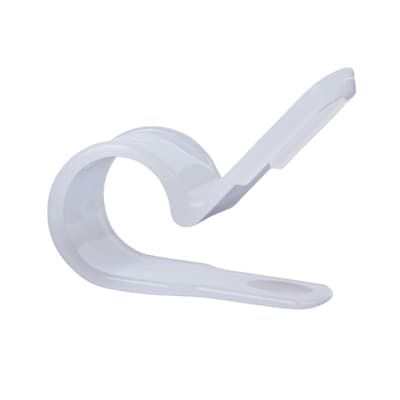
For multiple cables that need to travel in the same path, consider cable spacers that mount two or more cables to a surface. These spacers keep the cables separate and will prevent mishaps if the cables shouldn’t touch one another. Read our Electric Cable and Wire Buying Guide for help creating a setup.


Frequently Asked Questions


Q: What are cable staples?

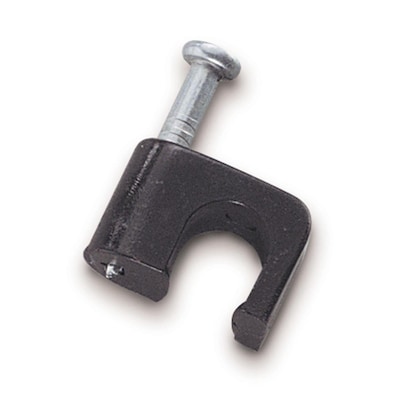
A: A cable staple is a large metal piece with two prongs. The design of the staple allows you to bind cables to a certain spot on a surface. Some cable staples resemble office staples, while others look like a pair of nails connected by a plastic insulator. Insulators with an arc shape can prevent installers from driving a staple too deep and crushing the cable.


Q: How do I staple electrical cables?

A: Because electrical staples have the construction of a typical nail, you can drive them down using a hammer or mallet. Using a claw hammer allows you to remove and reposition the staples if you hammer in the wrong spot.


Q: Can I staple cables to the wall?

A: Use cable staples mostly on wood. Hammer your staples freely into wood walls, support beams and other places where you’d like cable to go — preferably inside or behind the wall. Be careful when stapling on plywood or drywall. Since these materials are thin, the staple might stick out the other side, which can look unsightly and pose other risks in the future.

Frequently Asked Questions