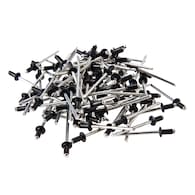
Steel Rivets for Strong Reliable Connections in Metal Fabrication Projects
Sheet metal, brackets, ductwork and equipment panels often require fasteners that can create a permanent connection without adding bulky hardware to the assembly. Steel rivets provide a practical option for joining compatible materials, with different diameters, grip ranges and head styles suited to repair, fabrication and maintenance work. Blind formats can also simplify fastening when only one side of the workpiece is accessible. Explore rivet sizes and configurations at Lowe’s for metalworking and general repair projects.
Benefits of Steel Rivets
- Secure Metal Connections: Properly sized rivets clamp compatible materials together, helping maintain a dependable joint across sheet metal, brackets, panels and other fabricated components.
- Resistance to Movement: Once properly set, blind steel rivets can help maintain fastening in equipment, vehicles and machinery where regular vibration or movement may affect other types of connections.
- One-Side Installation: Blind designs can be installed when the back of the workpiece isn’t accessible, making them useful for boxed sections, enclosed panels, channels and other restricted areas.
- Clean Finished Appearance: Button-head and similar profiles sit neatly against the work surface, supporting a streamlined look on gutters, HVAC ducting, equipment panels and exposed metal trim.
- Versatile Project Use: Multiple diameters and grip ranges allow the fastening method to accommodate thin sheet metal as well as thicker material stacks when the rivet specifications match the application.
Key Features of Steel Rivets
- Blind Fastening Design: Blind formats are installed from the accessible side of the assembly, allowing compatible panels and sections to be joined without reaching behind the workpiece.
- Head Style Options: Button-head profiles provide a rounded bearing surface that can distribute contact around the drilled opening while maintaining a neat finished appearance.
- Multiple Grip Ranges: Rivet lengths such as 0.25 inch, 0.5 inch and 1.25 inches accommodate different combined material thicknesses. The specified grip range should cover the complete stack being fastened.
- Diameter Choices: Options including 3/32 inch, 3/16 inch, 1/4 inch and 1/8-inch steel rivets support different hole sizes, material thicknesses and fastening requirements.
- Tool Compatibility: Depending on rivet diameter and design, compatible fasteners can be installed with hand riveters, lever-style tools or powered rivet guns suited to the project.
- Package Quantities: Smaller packs can support occasional household repairs, while larger quantities may be more practical for fabrication, maintenance or projects with repeated fastening points.
How to Choose Steel Rivets
- Match the Rivet to the Materials: Consider the metals being joined and the conditions surrounding the assembly, then confirm that the fastener material and finish are suitable for the application.
- Check the Hole Diameter: Measure the drilled or punched opening and match it to the specified rivet diameter so the shank fits correctly without excessive clearance.
- Confirm the Grip Range: Add the thickness of every material layer being joined, then check that the selected blind rivet’s stated grip range covers the combined thickness.
- Consider the Head Profile: Check whether a button head or another available style provides the bearing surface and finished appearance needed for exposed panels, trim or equipment components.
- Account for Environmental Exposure: For damp, exterior or moisture-prone locations, review available coatings or plated finishes and make sure the rivet material is compatible with the adjoining metals.
- Match the Rivet to the Tool: Confirm that the riveter supports the fastener diameter and mandrel size. Larger rivets may require more setting force than smaller hand tools are designed to provide.
- Estimate the Required Quantity: Count planned fastening points and allow enough hardware for test fitting or replacement during installation, particularly on projects with repeated rivet spacing.
Sheet metal repairs, HVAC ducting, gutters, equipment panels and fabricated brackets can each require different rivet diameters and grip ranges depending on material thickness and access. Matching the hole size, head style and fastener length to the assembly helps create a clean, properly set connection. Complete the setup with riveters for setting fasteners, metal drill bits for creating properly sized installation holes and deburring tools for smoothing drilled edges. Shop steel rivets at Lowe’s.